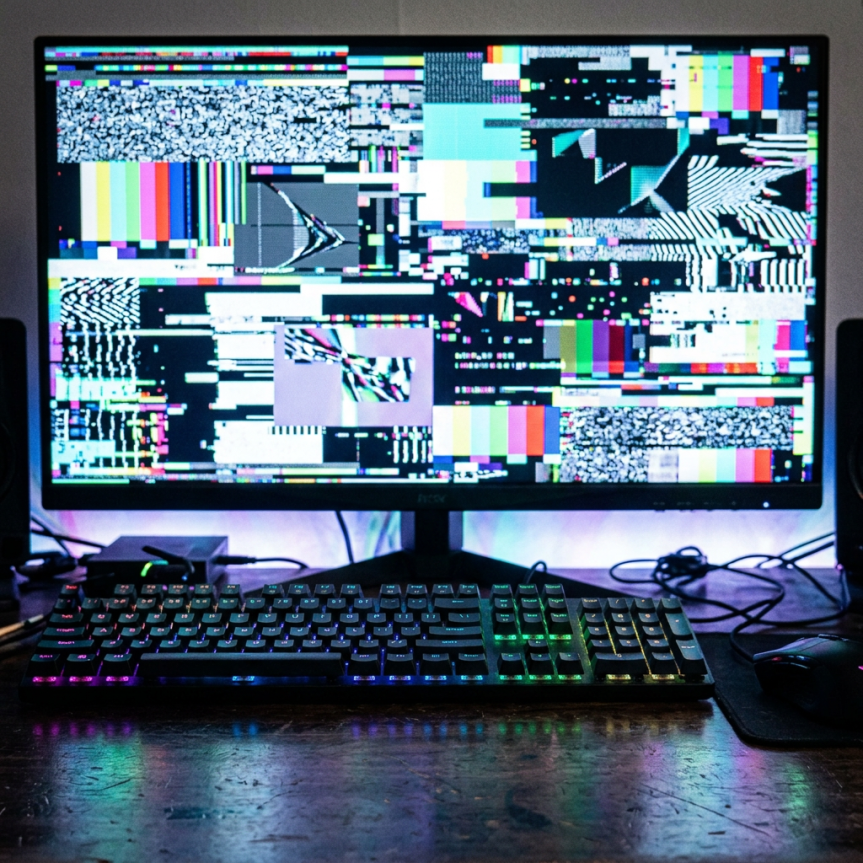
If you’ve ever bought a brand‑new game only to discover it runs like a potato taped to a toaster, welcome to modern gaming. Publishers keep releasing half‑finished titles at premium prices, and players keep wondering whether they accidentally bought a beta version with a fancy box.
Let’s break down why this keeps happening — clearly, nerdily, and with a healthy dose of humor that doesn’t require clown shoes.
The Rise of Unfinished Game Releases
The AAA Production Bottleneck
Games today are massive. Not “big open world” massive — more like “we need 600 artists just to animate the grass” massive. Production pipelines are stretched thin, and delays pile up faster than your unplayed Steam backlog.
Publisher Pressure and Deadlines
Executives love deadlines. Developers hate deadlines. The result? Games ship when the calendar says so, not when the code says so.
The Early Access Mentalality
Early Access used to be a niche. Now it’s a business model. Some publishers treat full‑price releases like Early Access with better lighting.
Why Prices Keep Increasing
Development Costs
Modern engines, high‑resolution assets, orchestral soundtracks — everything costs more. AAA budgets regularly exceed blockbuster movie budgets.
Marketing Overproduction
Trailers, influencer campaigns, cinematic teasers — sometimes the marketing looks better than the game itself.
The “Prestige Pricing” Strategy
Some publishers price games high simply because they can. Prestige pricing creates the illusion of quality, even when the product is wobbling like a Jenga tower.
Real‑World Examples of Half‑Finished Releases
Broken Launches
Games launching with performance issues, crashes, and bugs that make NPCs behave like they’re stuck in a parallel dimension.
Missing Features
Multiplayer modes “coming later,” story chapters “planned,” and settings menus that look like they were designed during a lunch break.
Day‑One Patches the Size of a Small Moon
Nothing says “we weren’t ready” like a 40‑GB patch on release day.
How Publishers Justify It
“Live‑Service Will Fix It”
The promise of future updates is the industry’s favorite band‑aid.
“Roadmap Coming Soon”
A roadmap is not a finished game. It’s a to‑do list with fancy fonts.
“We Hear You” (But Do They?)
Community feedback is acknowledged, but not always acted upon.
How Gamers Can Protect Themselves
Smart Buying Strategies
Wait for reviews. Wait for patches. Wait for the price drop. Your patience is a weapon.
Red Flags Before Release
- No review copies
- Overly cinematic trailers
- Vague feature descriptions
- “We’re excited to share more soon”
Tools and Resources
- Performance benchmarks
- Community forums
- Honest YouTube reviewers
- Refund policies
Pros & Cons: Buying at Launch vs Waiting
| Decision | Pros | Cons |
|---|---|---|
| Buying at Launch | Instant access, hype participation | Bugs, missing features, high price |
| Waiting | Lower price, stable performance, complete content | Spoilers, delayed enjoyment |
 Vermillion's Blog